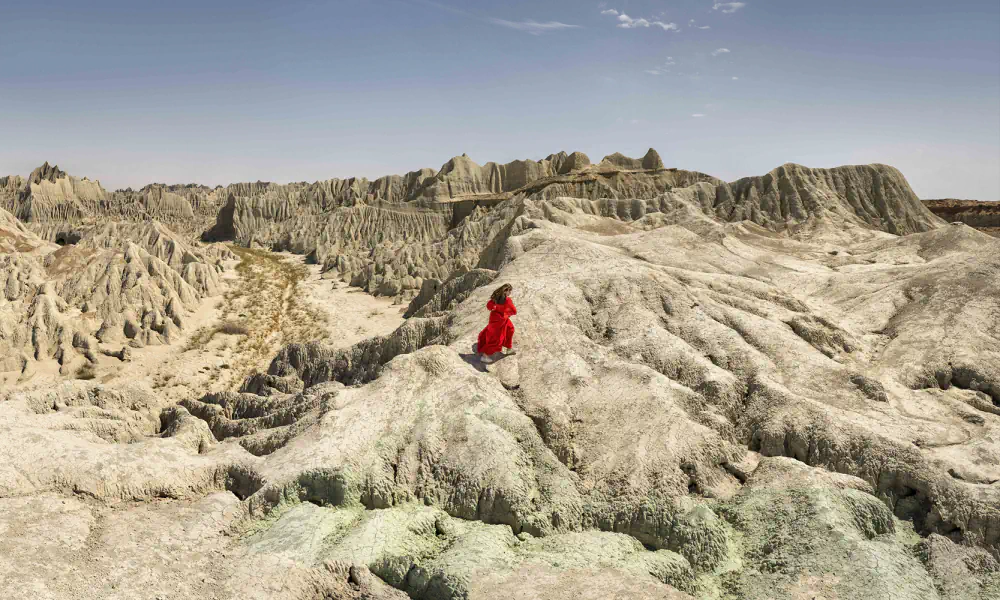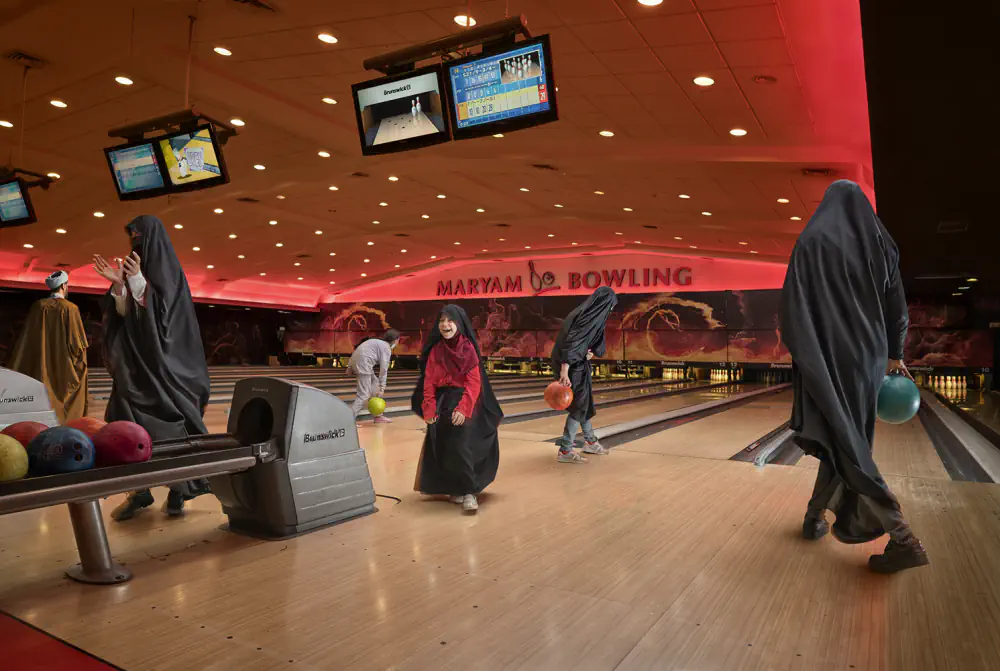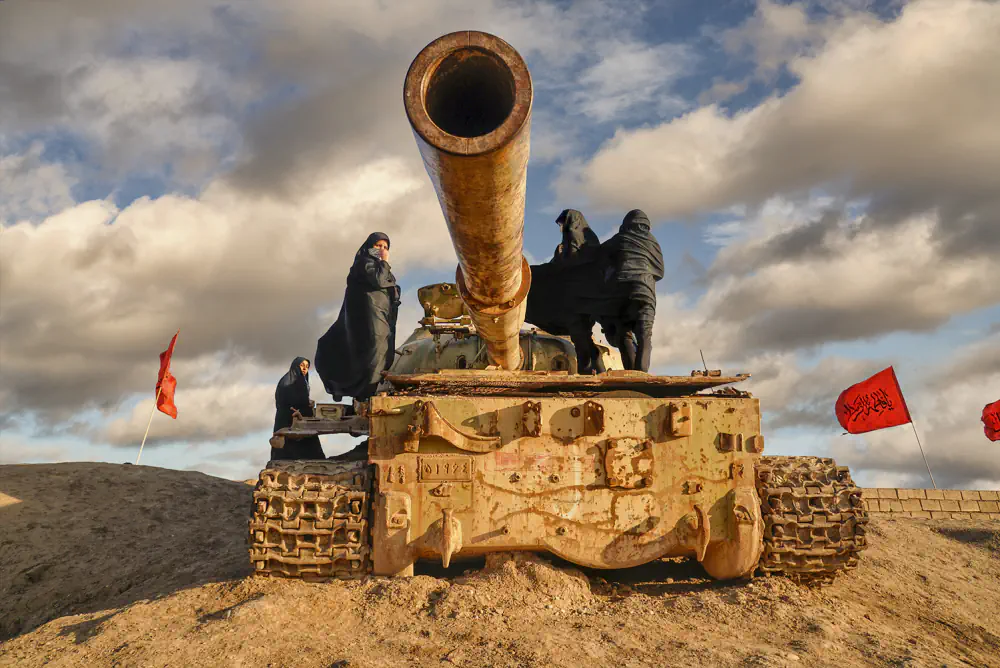
Janus is the Roman god of beginnings and endings, transitions and gateways.
Traditionally depicted with two faces, one looking towards the past while the other looks towards the future, he is also the god who presides over the beginning and end of conflicts.
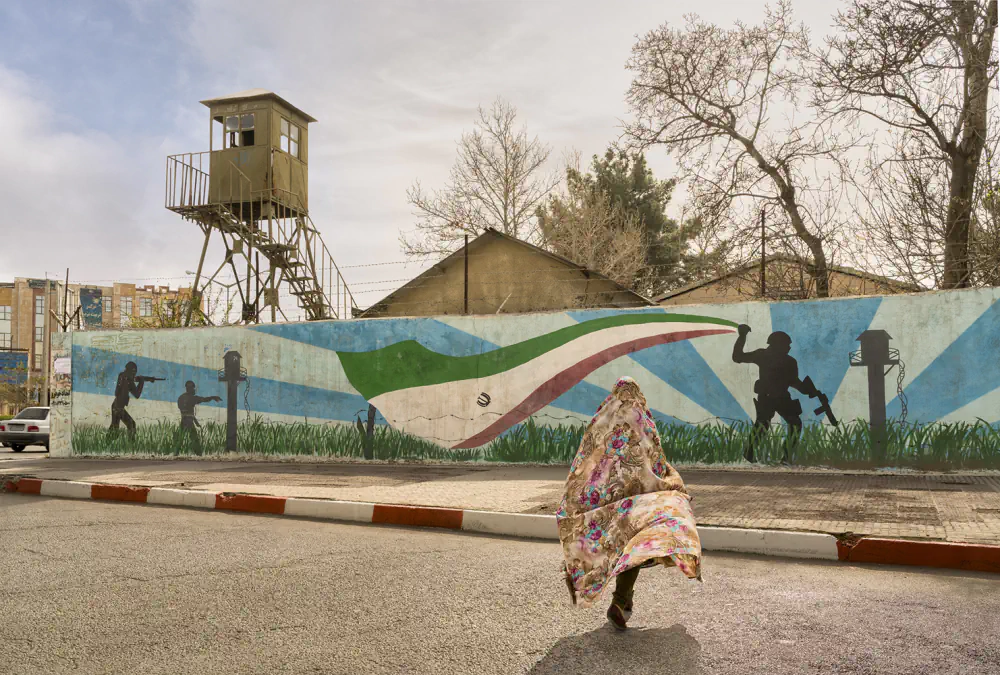
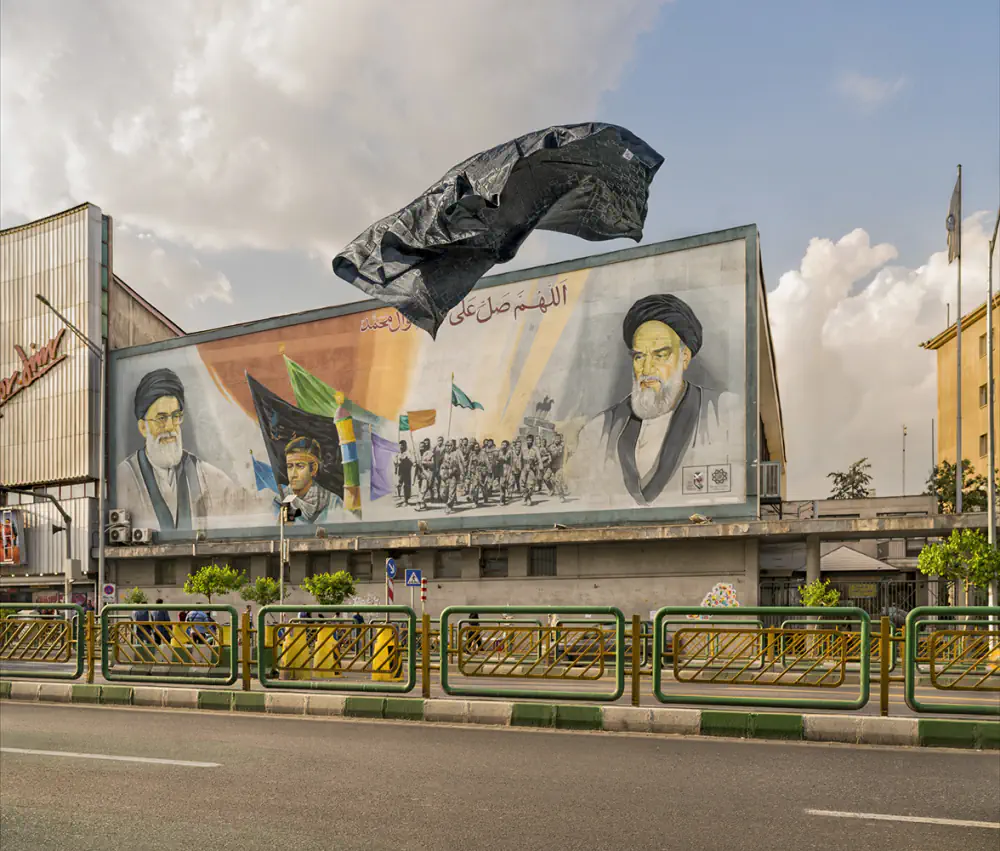
The Islamic Republic of Iran was, in fact, born in the midst of an eight-year conflict with Iraq, which lasted from 1980 to 1988.
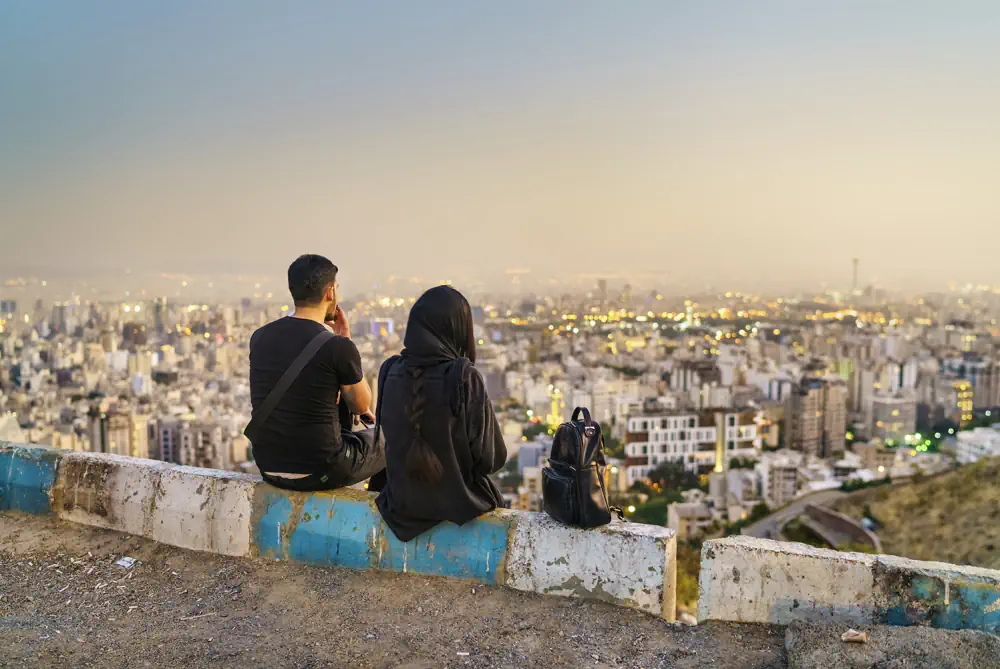
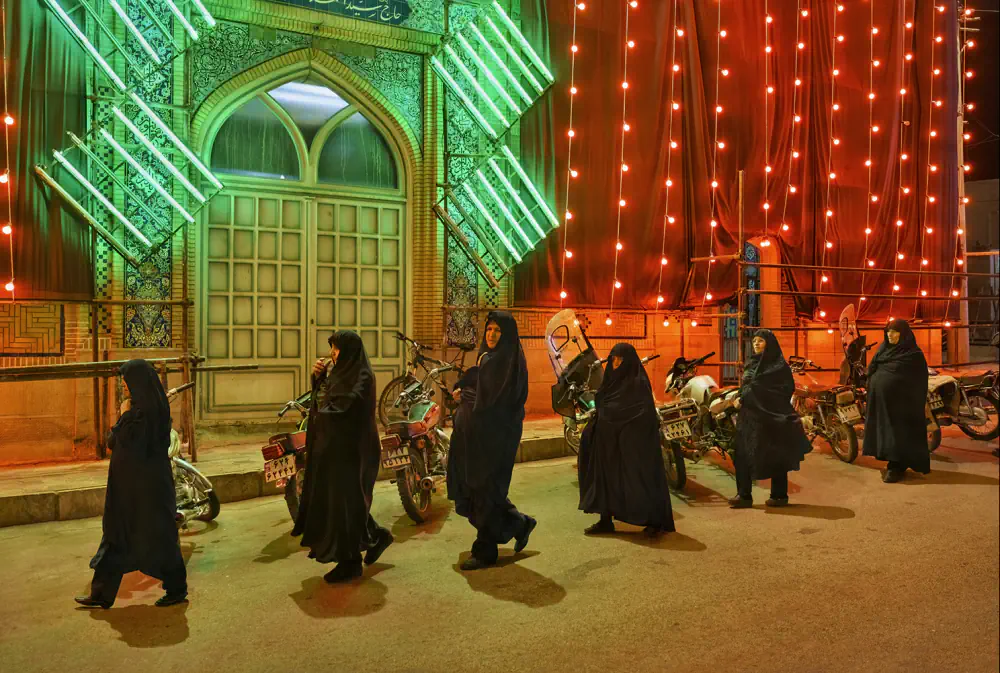
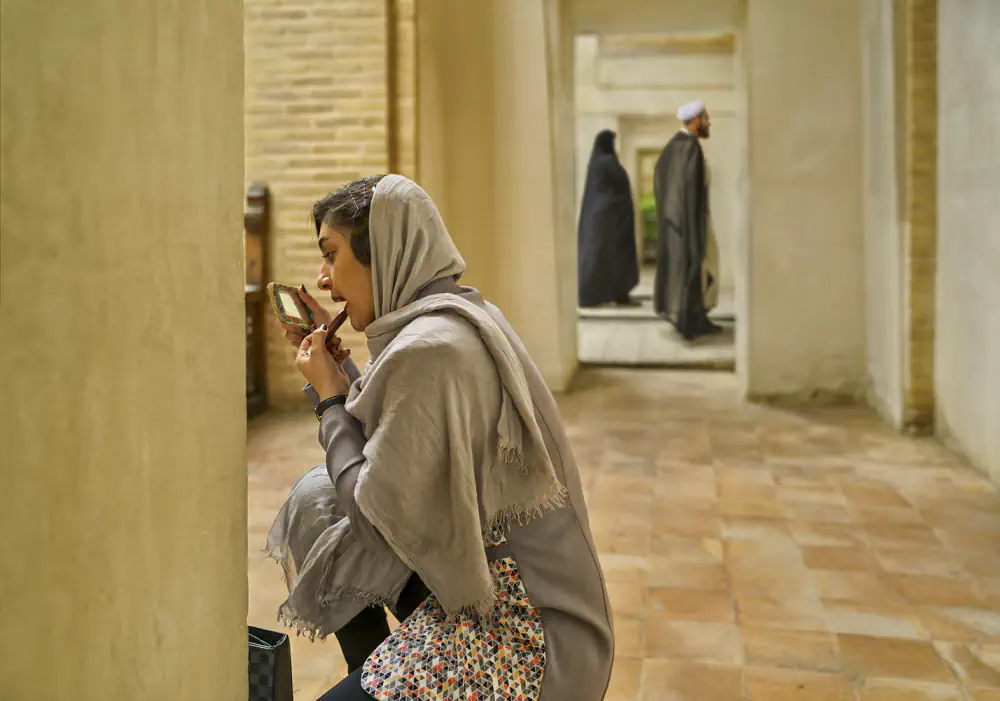
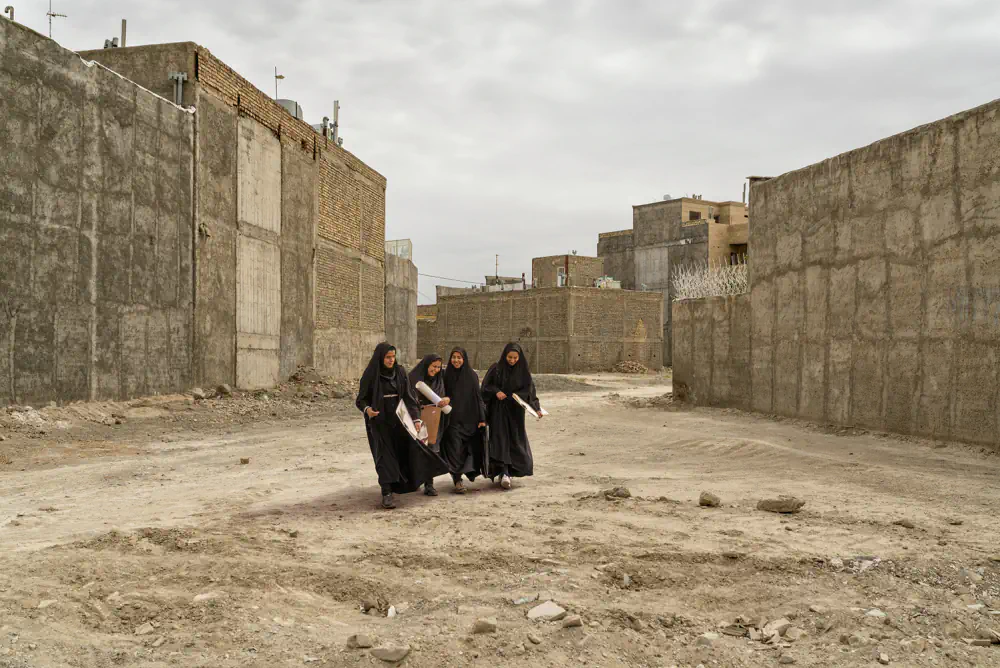
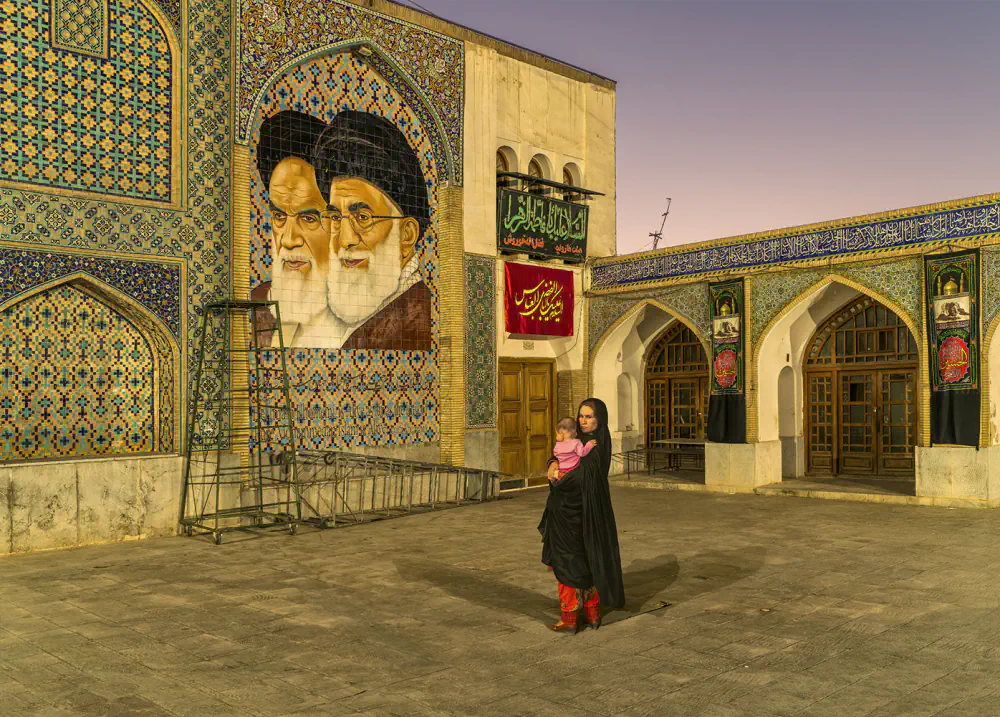
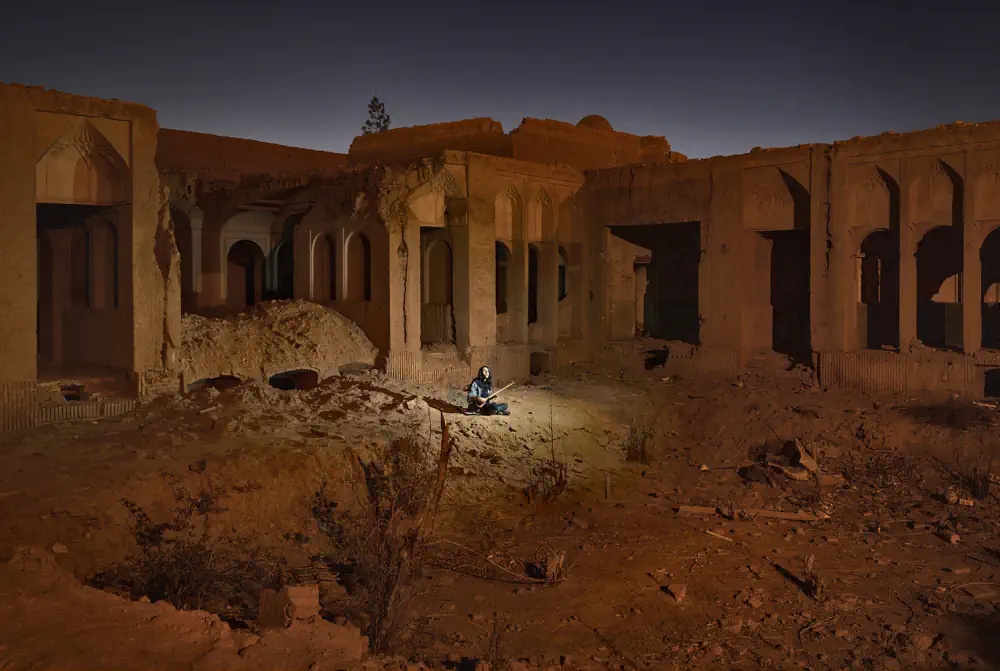
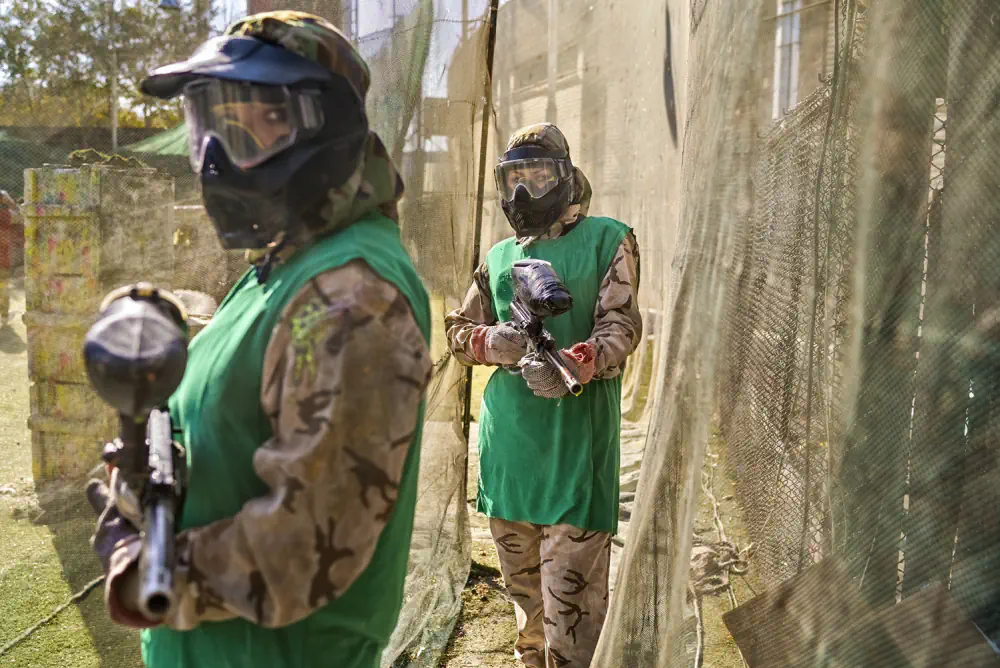
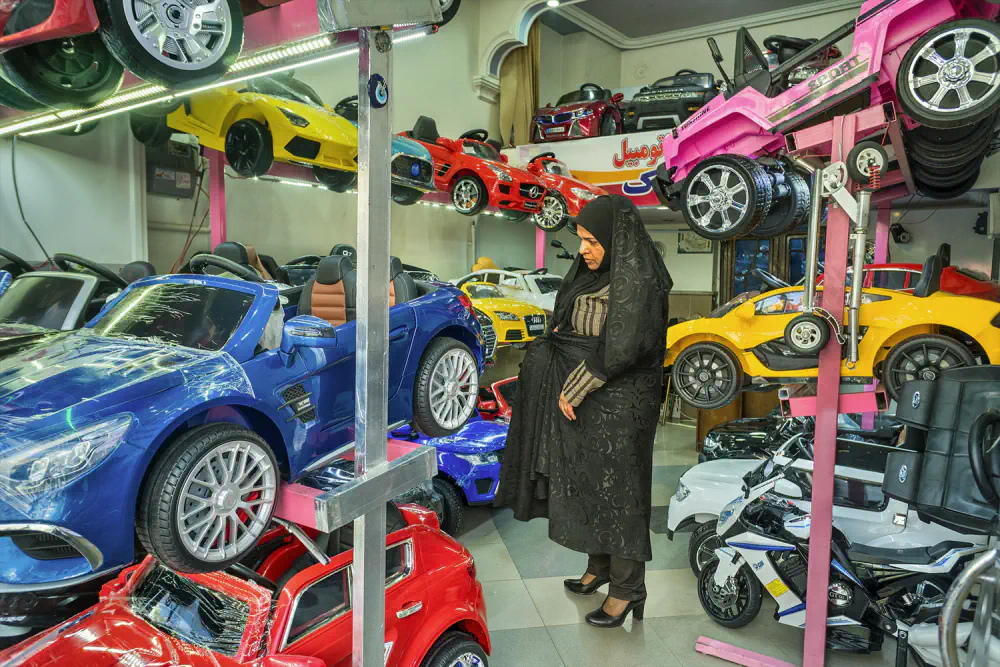
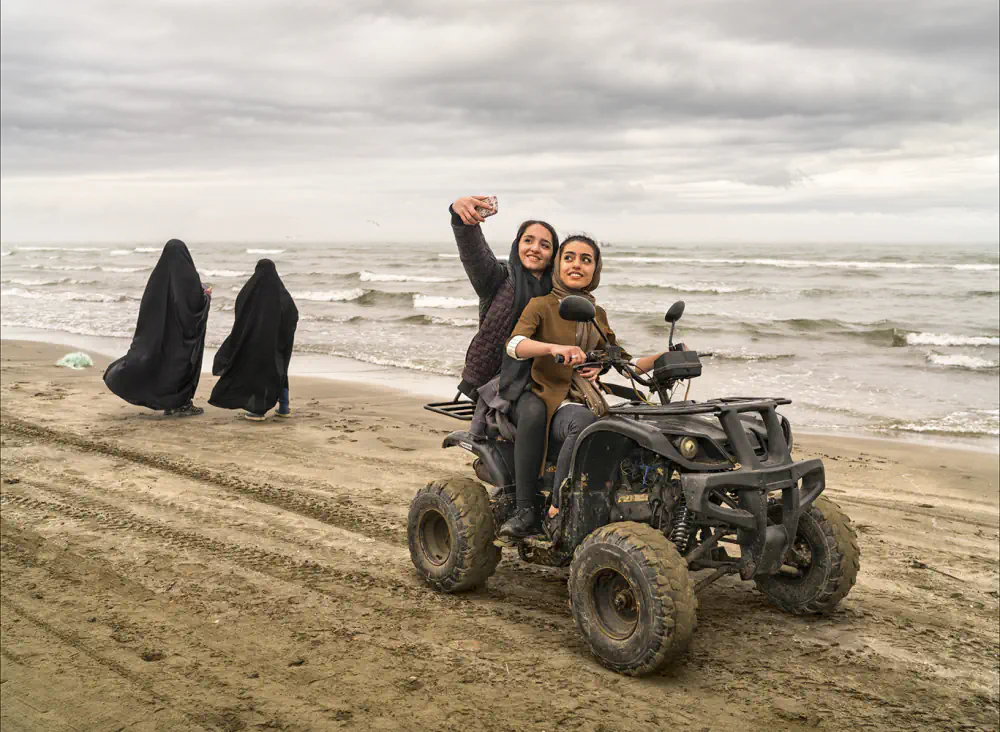
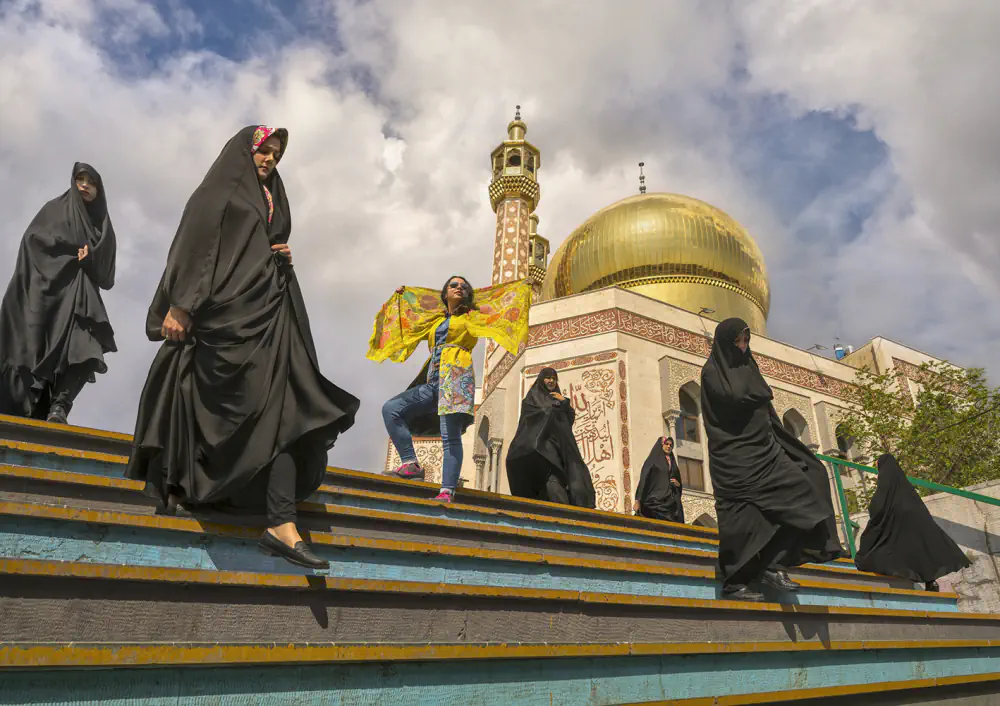
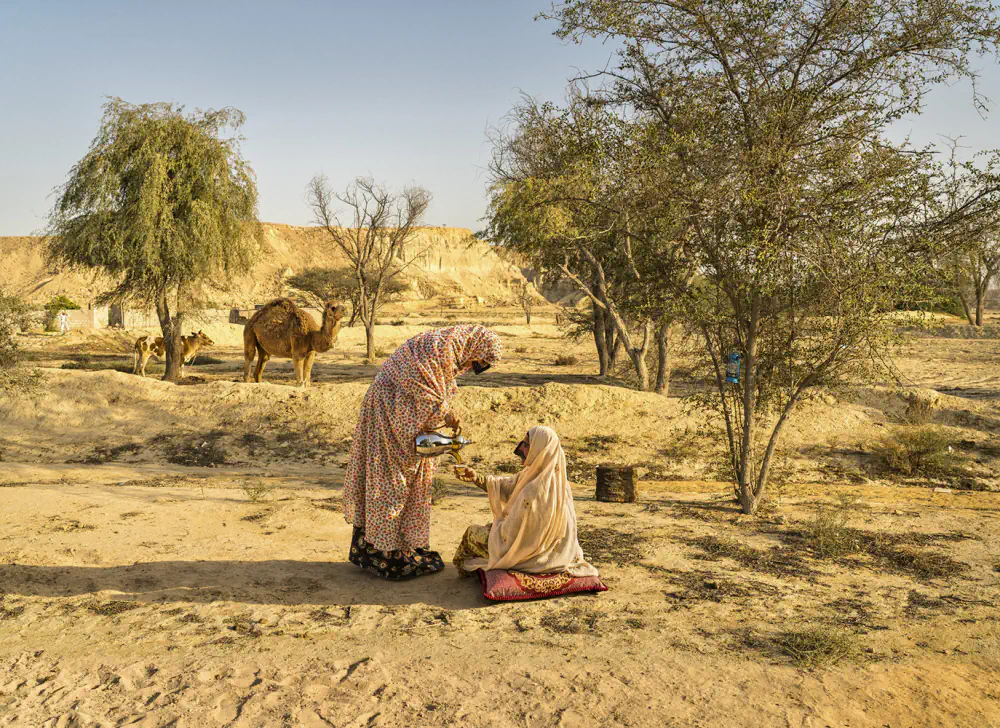
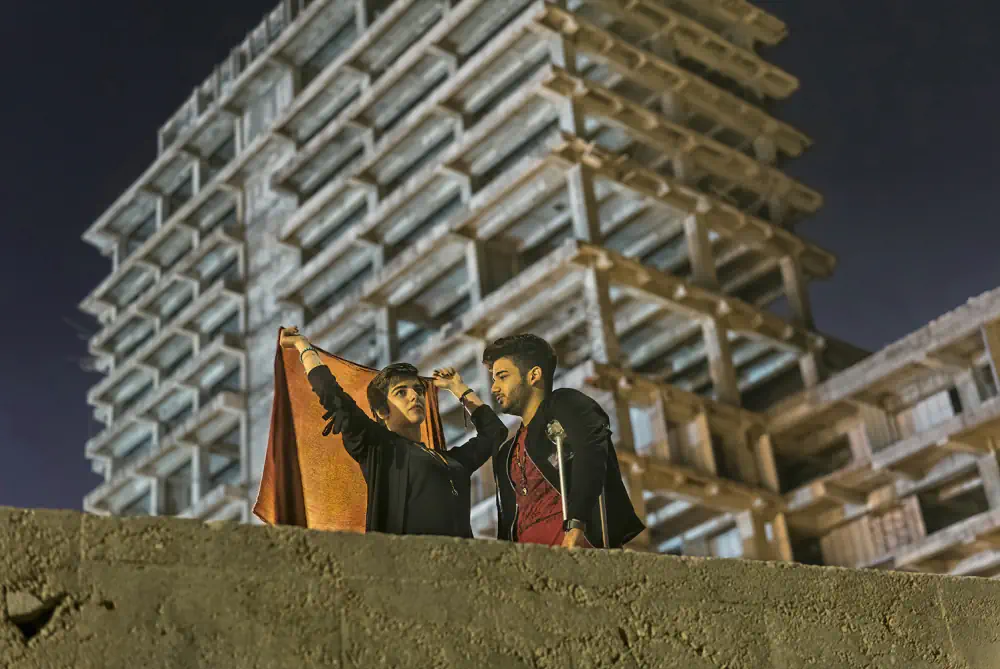
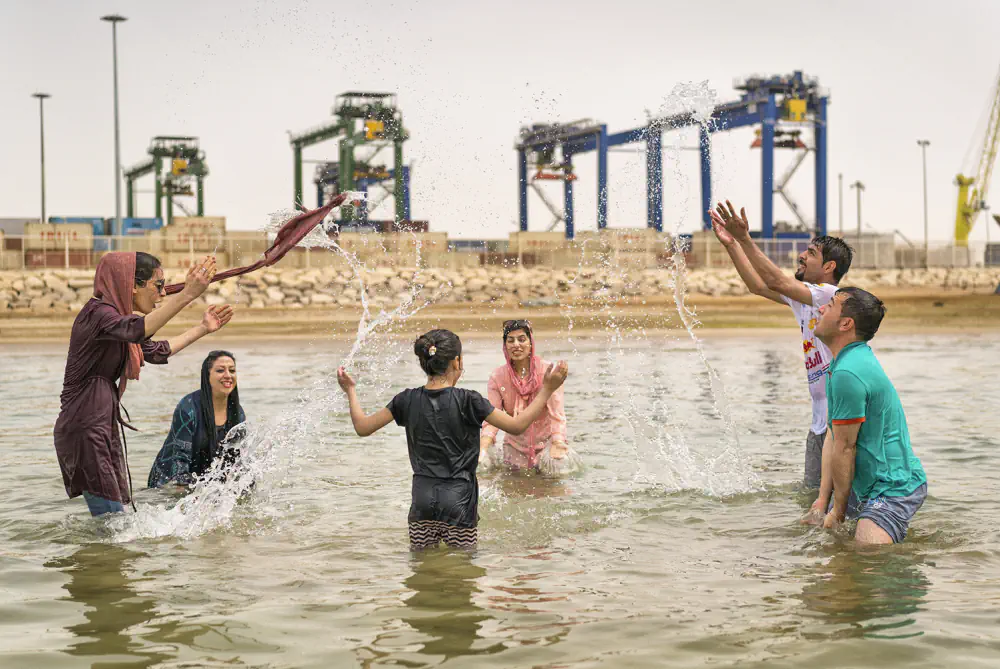
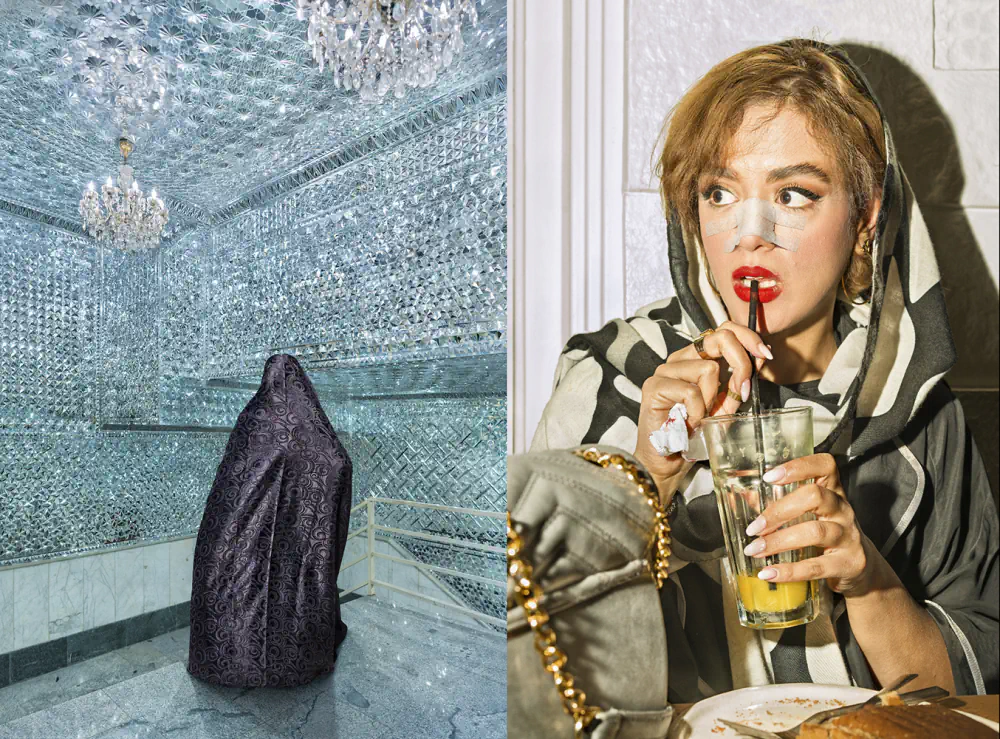
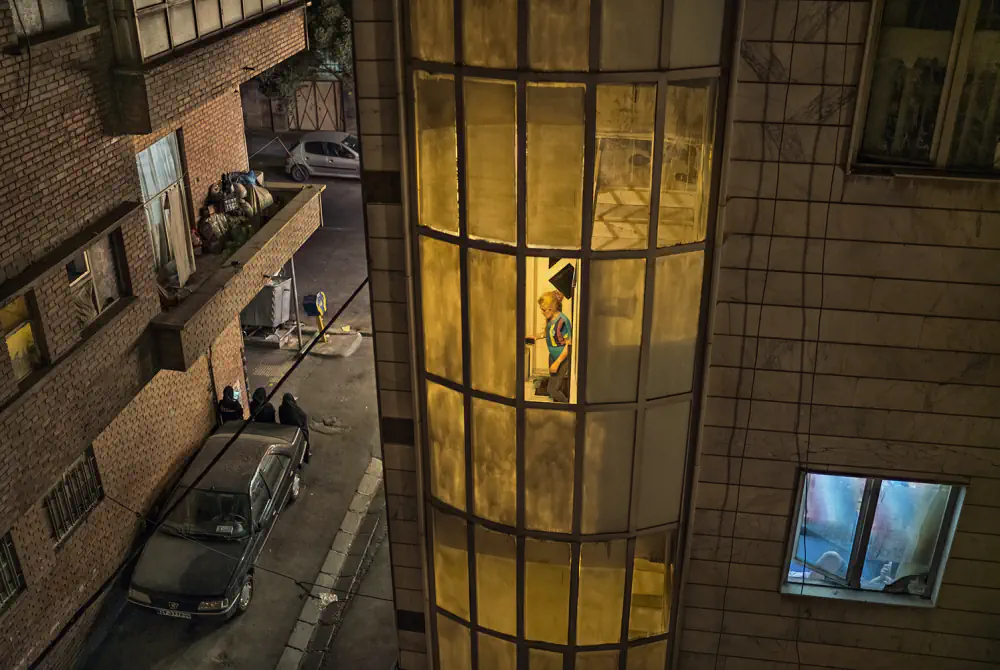
Since that founding tragedy, and following the replacement of a monarchy with a theocracy, Iranian society has become increasingly divided, and these divisions have continued to deepen. One section of society, characterised as ‘dark’, looks towards the past, notably during mourning processions commemorating events that took place 1,400 years ago, while the ‘light’ section more eagerly awaits the latest iPhone 16 than the Twelfth Imam (‘the Hidden Imam’ or Mahdi), who is expected to deliver the world through a final apocalypse. This dichotomy within Iranian society can be seen as echoing a verse by the Iranian poet Omar Khayyam, for whom ‘the night is perhaps but the eyelid of the day’.
The protest movement against compulsory veiling, under the slogan ‘Woman, Life, Freedom’ (Zan, Zendegi, Azadi), in the autumn of 2022 laid bare the hypocrisy of a system that exploits religion for political ends. Yet the divisions within society are not quite so black and white, and many women who choose to wear the chador also oppose the obligation imposed by the morality police. By highlighting both sides of this complex society, the photographer also reveals that, beneath the surface, the dividing lines are sometimes more blurred than they appear.
About Nicolas Boyer
After holding positions in several different sectors, not always entirely fulfilling, including financial analysis for major industrial companies and project management, Nicolas Boyer trained at the École des Gobelins at a time when it was still possible to mess up photographs. This was followed by two years of reportage photography with a simple Hasselblad and persistent financial difficulties.
Having learned to work with images, he decided to become an art director in 2005 and continued in that role until 2014, sometimes spending days working on three-second commercial packshots that no one watched.
He returned to photojournalism in 2016, having never really ventured beyond his comfort zone (apart from mistakenly entering a women’s compartment on the Cairo metro). In 2019, he took part in the Sony World Photography Awards, which he won with the same sense of legitimacy as if the Honduran national team had won the World Cup. Another unexpected success followed in 2020, this time with a Special Mention at the Roger Pic Award. He remained single, though.
Since then, he has been roaming the urban landscape, often wondering what the hell he is doing there.
This series is expected to be published as a book in 2027, provided Donald gives his approval… [Official Website]